Is your attic fan pulling cool air out of your house?
It makes sense on paper. The attic gets hot, so you put a fan in the roof to push the hot air out. A cooler attic should mean a cooler house and a smaller power bill.
But a lot of houses with a powered attic fan still have hot upstairs rooms, a sticky feel and an A/C that never shuts off. Sometimes the fan is part of the reason.
On a house we walked in New Orleans this fall, there was a powered attic fan up there with an old A/C system and leaky ducts. One of the first things on our list was simple: check whether that fan was pulling cooled air out of the living space. Here’s why.
How an attic fan is supposed to work
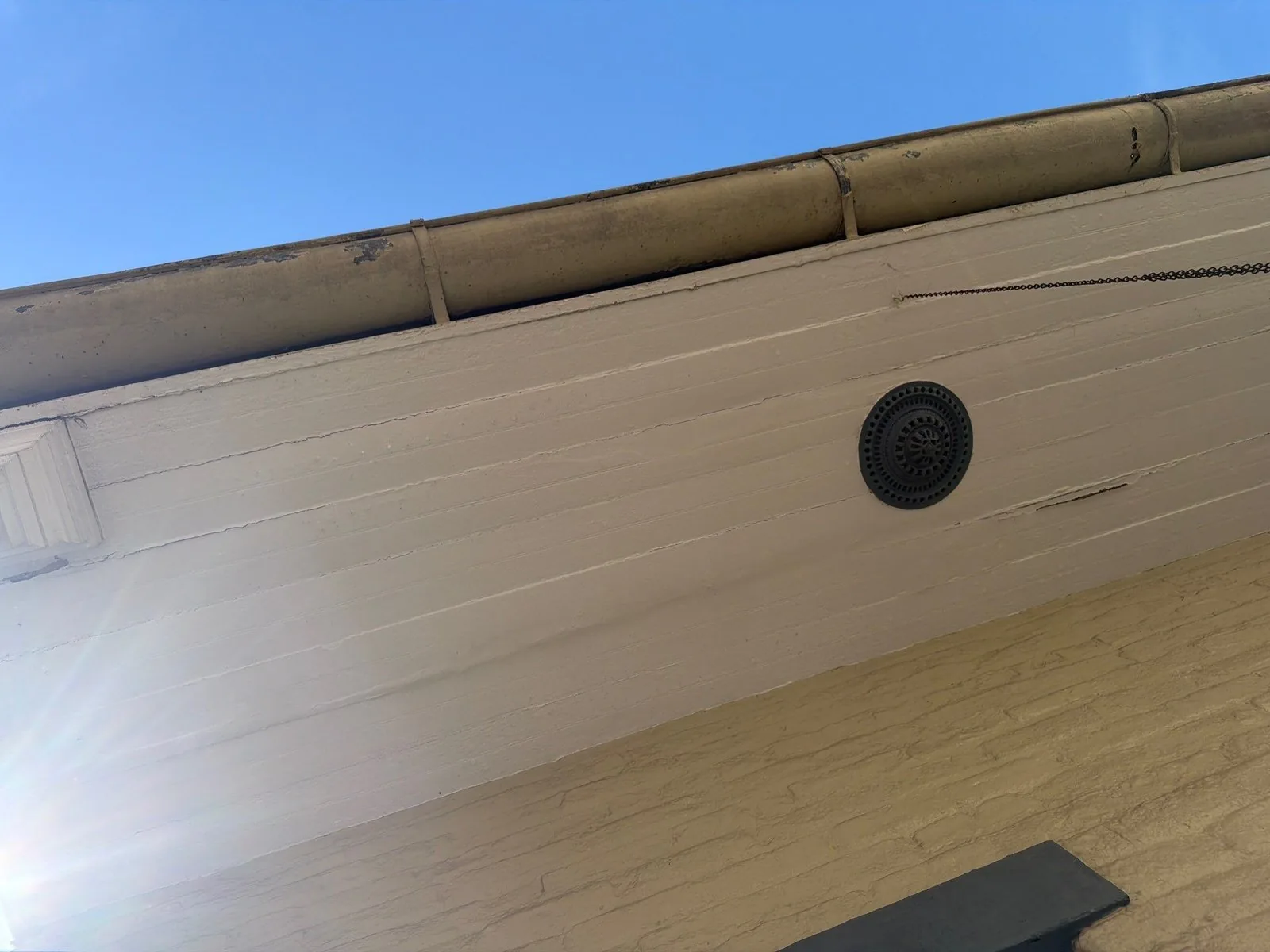
A powered attic fan pushes air out of the attic. For every bit of air it pushes out, the same amount has to come back in from somewhere. Ideally that replacement air comes in through the soffit vents under the edge of the roof, sweeps across the attic and carries the heat out with it.
That only works when there’s enough soffit vent area, and when the vents aren’t blocked by insulation, paint or bird screens that have clogged up over the years.
What happens when it can’t get enough air from outside
If the fan can’t pull enough air through the soffits, it pulls from the easiest place it can find. In a lot of houses, that’s your living space.
Air comes up from the rooms below through every gap in the ceiling: – Around recessed can lights – Around the attic hatch or pull-down stairs – Around bath fans, light fixtures and ceiling fans – Through the gaps where walls meet the attic, plumbing and wiring holes – Through leaky return ducts and air handler cabinets in the attic
That’s air you already paid to cool and dry, going straight out the roof. Then the house replaces it with hot, humid outdoor air leaking in through doors, windows and walls. Your A/C now has to cool and dry that new air too.
Why it matters even more with gas appliances in the attic
Many Louisiana houses have a gas furnace or gas water heater in the attic or a closet next to it. Those appliances need their exhaust to go up the vent pipe. A strong fan pulling air out of the attic can work against that draft. That’s another reason to have someone look at the whole setup instead of just the fan.
Signs your attic fan may be working against you
- Upstairs rooms stay hot even with the A/C running
- The house feels humid or sticky even when it’s cool
- The A/C runs nearly nonstop on hot afternoons
- Your power bill went up instead of down after the fan went in
- You can feel air moving around can lights or the attic hatch
- Dust lines on the carpet along the walls, or dark marks around ceiling lights, which show where air is being pulled through
What usually fixes it
It isn’t always “rip the fan out.” The right fix depends on the house:
- Check the intake. Count the soffit vents and look at whether they’re open. Sometimes clearing blocked soffits is enough.
- Seal the ceiling. Sealing around can lights, the attic hatch and the gaps at the top of the walls stops the house from feeding the fan.
- Seal the ducts and the air handler. Leaky return ducts in the attic are a direct path for attic air into your system and for house air into your attic.
- Turn it off or remove it. In some houses the fan isn’t helping at all once the attic is properly vented and sealed. Disconnecting it can make the house more comfortable.
How we handle it: three steps
1. Look at the whole attic. We check the fan, the soffit vents, the insulation, the ducts and the air handler, any gas appliances, and the gaps in the ceiling below. You get photos.
2. Tell you what’s actually happening. Whether the fan is helping, hurting or doing nothing, and why.
3. Fix the cause. That can mean clearing soffits, sealing ceiling gaps, sealing ducts, or disconnecting the fan, along with any A/C work the system needs.
What life looks like after
The upstairs rooms cool down like the rest of the house. The A/C gets a break in the afternoon. The air feels drier. And the money you spend cooling the house stays in the house.
Wondering about your attic fan?
Call (504) 702-1480. We answer day or night. A service visit is $99, and it’s waived if you go ahead with the repair. Our $15.99 a month plan covers two Clean & Checks a year.
See our air quality and duct work, or check the towns we cover.
More from Field Notes: – Why your A/C runs all day and the house still feels sticky – Sweating ducts: what the water in your attic is telling you
Questions about attic fans
Do powered attic fans save energy? They can, if the attic has plenty of open soffit venting and the ceiling below is well sealed. If not, they can pull cooled air out of the house and make the A/C work harder.
Should I just turn my attic fan off? Not without looking at the attic first. Check the soffit vents, the ceiling gaps and the ducts. Sometimes turning it off is the right call; sometimes a small fix makes it work properly.
Can an attic fan affect my gas furnace or water heater? It can work against their exhaust draft if they’re in or near the attic. Have the whole setup looked at.
What’s better than an attic fan? Usually a well-vented attic with open soffits, a sealed ceiling, and ducts that are sealed and insulated.
Restoring what
was lost.
Your comfort, your air, your home, back the way it should be.
Got a question like this one?
Tell us what you’re seeing. We’ll call you back.