
Crew available now — ETA ≤ 60 min from dispatch · 24/7 · 504.702.1480
Response time measured from dispatch acknowledgment. ETA calculated from worst-case staging plus 10-minute buffer. Faster crew availability typical from Harahan HQ.
Commercial fire losses cost more in lost revenue than in cleanup.
Backed by 20+ years of construction experience and IICRC FRST, WRT, ASD, AMRT, and OCT certifications, Xero DMG runs every commercial fire loss with industry standards, business-continuity-first protocols, documented soot-residue mapping, and transparent communication to your carrier and property manager.
Capital Region, with East Baton Rouge Parish on the map.
Baton Rouge spans the East Baton Rouge Parish bluff and floodplain at +20 to +60 feet, with subtropical humidity and a 60-inch annual rainfall total. The Pleistocene loess soil drains differently than the alluvial silt-clay of the river parishes — cavity drying timelines reflect it.
That’s why Baton Rouge commercial fire losss demand a calibrated approach. Drying timelines, containment protocols, material disposal decisions, and clearance verification all change with local soil conditions, humidity bands, and structural patterns. Our protocol — IICRC-standard assessment, daily documented logs, photographic evidence, third-party clearance when high-risk conditions warrant — is calibrated for the Capital Region environment. We’re documentation heavy. Drying logs, moisture readings, soot maps, mold sample chain-of-custody — every page of evidence goes to both you and your adjuster, with a transparent read on time sensitivity and recommended next steps. You make one phone call. We handle the work and the paperwork.
Cleanup that keeps your business running.
A commercial fire loss has a third stakeholder you don’t have in residential: the tenant whose business is offline every hour the affected space is closed. Our 20+ years of construction experience plus IICRC FRST certifications lets us sequence containment, decontamination, and odor control to reopen as much of the building as possible during cleanup. Daily drying and decontamination logs document the business-interruption claim.
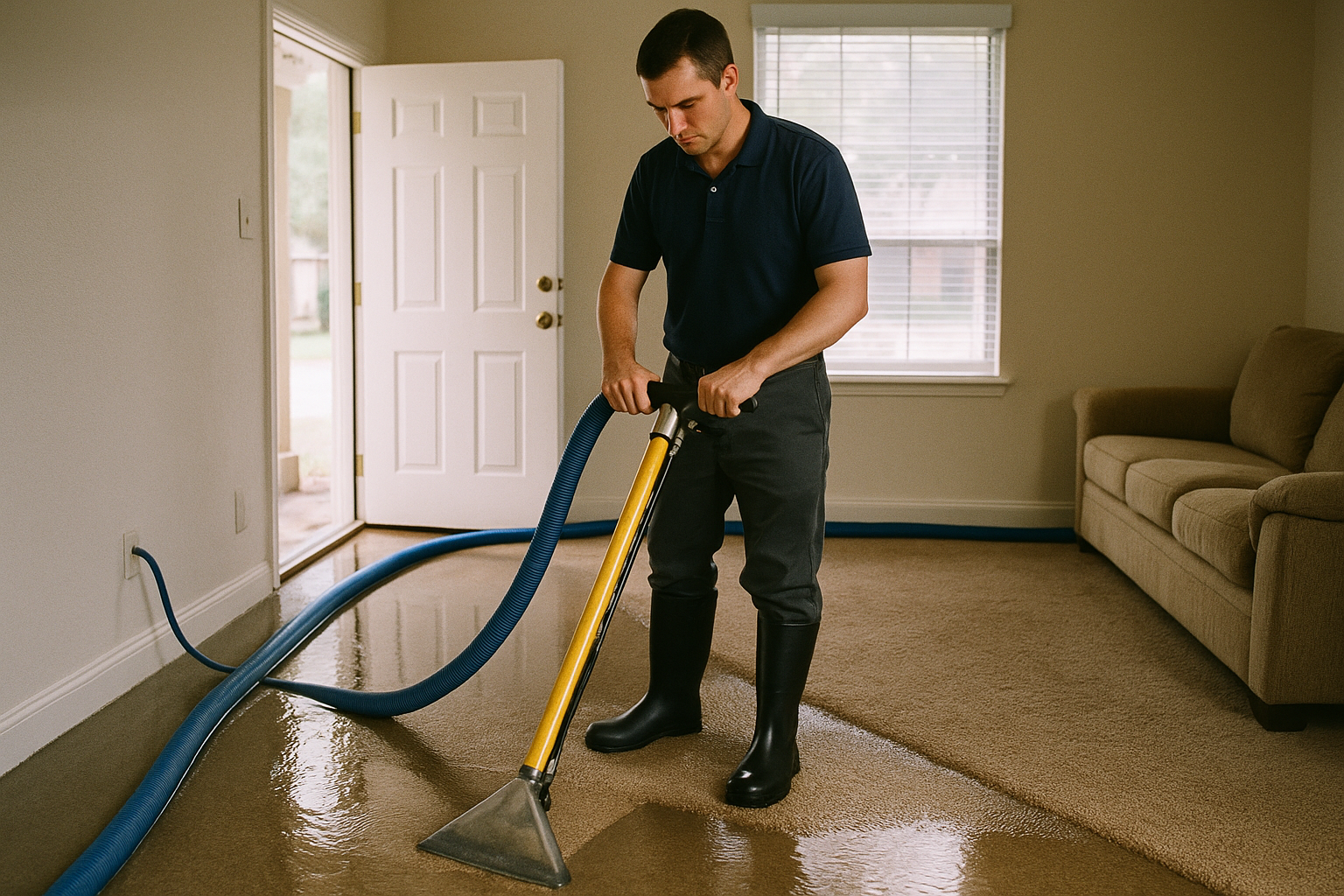
Documented from first walk-through to operational continuity.
Daily activity logs with date-stamped soot-residue testing, equipment counts, HEPA-filtered air-quality readings, and business-impact assessment. Photographic documentation of every affected surface. Soot type and material-by-material restorability decisions per IICRC S700.
Stabilization & Building Coordination
Site secured, openings boarded, structural members shored if needed. Property management, building engineering, and affected tenants notified.
Soot Type Classification
Wet, dry, protein, or fuel-oil soot identified through visual and tactile testing. Soot type drives cleaning chemistry.
Content Inventory & Pack-Out
Affected inventory and FF&E inventoried, photographed, and packed for off-site cleaning. Restorability decisions for adjuster review.
HEPA Filtration & Containment
HEPA air scrubbers run continuously while affected spaces are sealed off from unaffected operational space. Air-quality readings logged daily.
Surface Decontamination
Wet-cleaning, dry-sponge, ultrasonic, agitation — chemistry matched to soot type. Behind drywall, inside HVAC, into wall cavities and ductwork.
Verification & Odor Control
Final inspection for surface cleanliness and odor signature. Hydroxyl or ozone treatment if residual odor persists. Reoccupancy clearance to property management, carrier, and our records.
Five IICRC certifications. One general contractor license. Twenty years of building.
Restoration is regulated by what the contractor knows, not what they claim. Most restoration firms in our service area hold one or two IICRC certifications. Xero DMG runs five — at the technician level, on the same person on the job site — backed by a Louisiana General Contractor license and twenty years of construction work that came before any of the certifications.
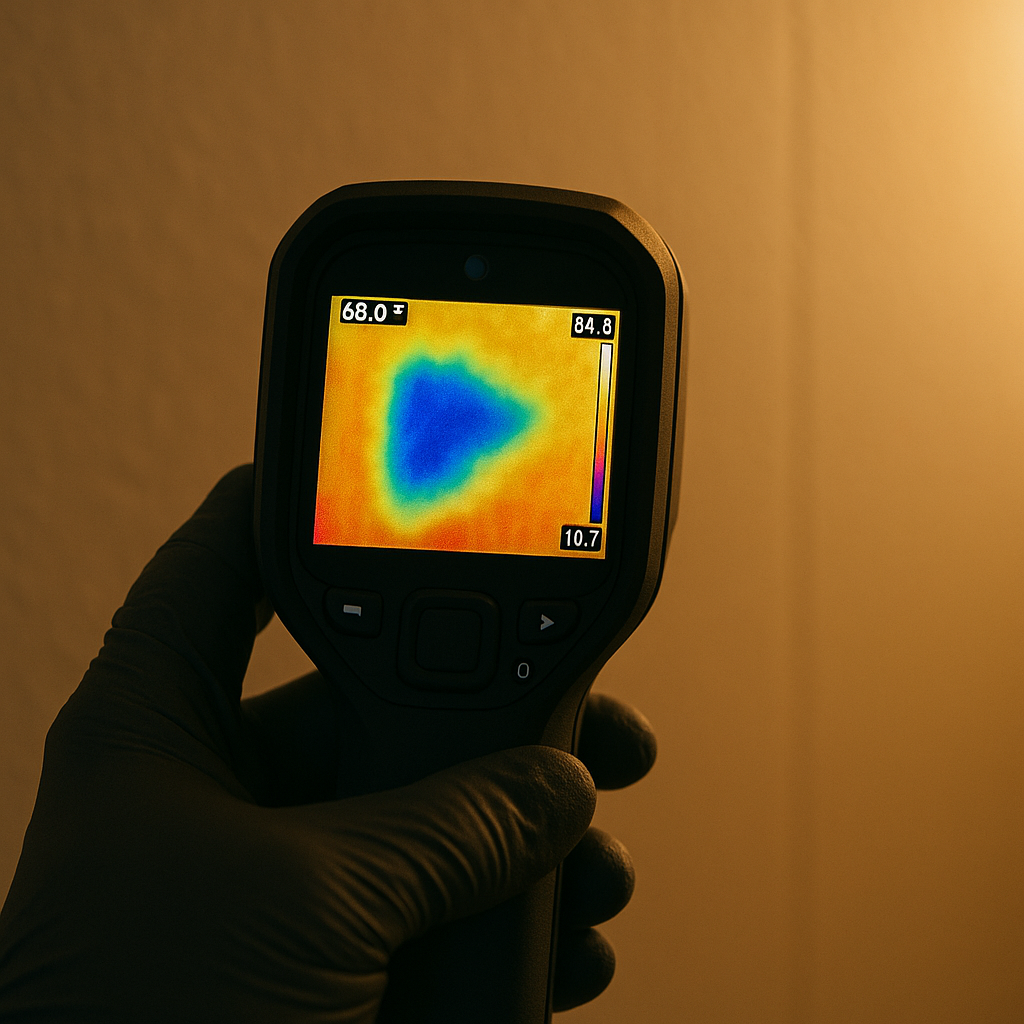
Backed by 20+ years of construction experience and a stack of IICRC certifications — FRST, WRT, ASD, AMRT, OCT — Xero DMG runs every commercial fire loss with industry standards, documented evidence, business-continuity coordination, and the maximum transparency we can control on our end of the claim.
What Baton Rouge clients ask first.
How fast can a crew reach Baton Rouge?
Active crews respond from our Metairie/Harahan facility. Published ETA is 60 minutes or less from dispatch acknowledgment, calculated as worst-case staging plus a 10-minute buffer. Faster response typical from HQ. Active emergency? Call 504.702.1480 — dispatch is 24/7.
Will my commercial property insurance cover this?
Yes. Fire damage is covered under most commercial property policies (BOP, CP). Business interruption coverage covers lost revenue while affected space is offline — and our daily logs are the documentation your carrier needs.
Can you reopen unaffected space during cleanup?
Yes. We sequence containment and HEPA filtration to keep as much of the building operational as possible. Where feasible, decontamination runs off-hours to minimize tenant disruption.
Can the smoke smell really be removed from commercial HVAC?
Yes — but it requires decontamination of the ductwork, not just the air-handler interior. Soot residue in supply trunks and return plenums is a common cause of persistent odor. Our IICRC FRST protocol addresses ductwork as a primary cleaning target.
What’s the warranty?
Our commercial fire restoration work carries a written 12-month warranty against soot residue, surface staining, or persistent odor. If smoke smell returns within 12 months of clearance, we re-engage at no charge.